
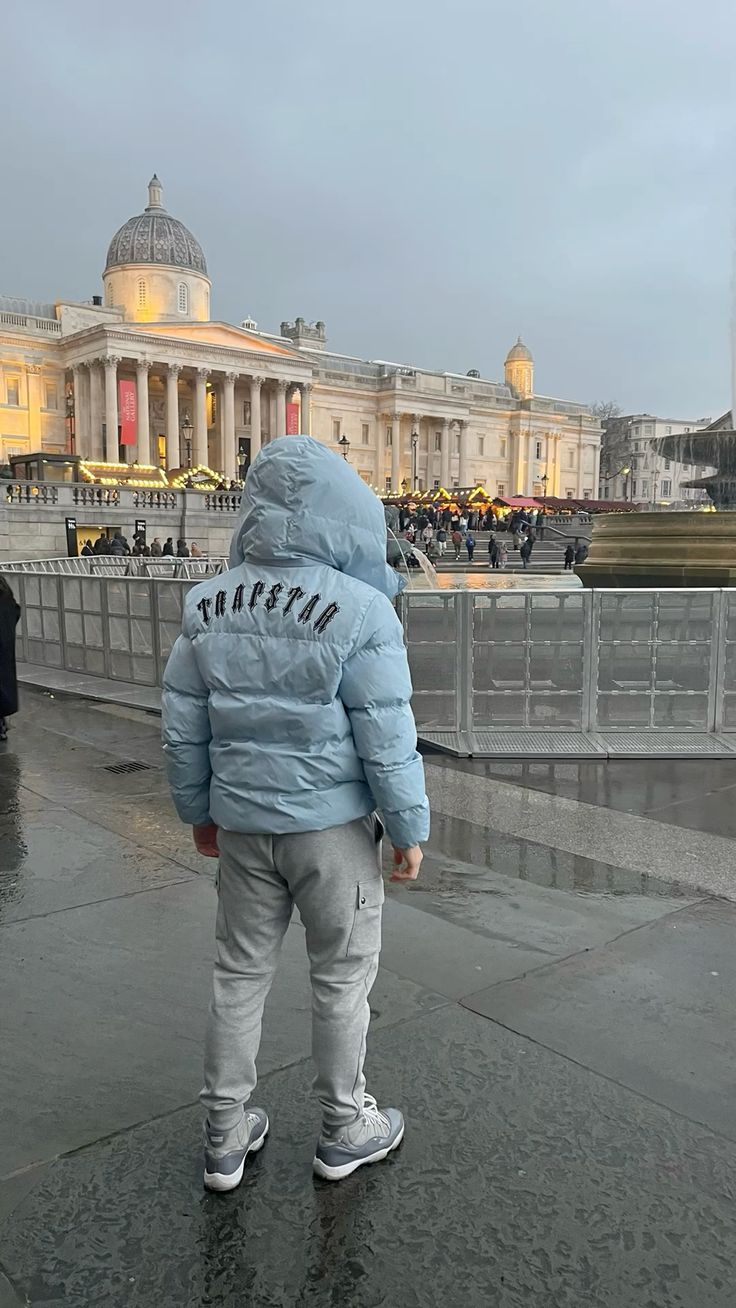
Urban fashion often fades quickly, yet some labels grow into symbols of identity. The roots of this movement come from lived street experiences, creative resistance, and self-expression. Early supporters connected with the raw energy behind designs that spoke without explanation. When Trapstar appeared mid-sentence in conversations, it reflected belonging rather than branding. This emotional attachment pushed clothing beyond aesthetics. Each release felt personal, echoing music, struggle, and ambition. Unlike trends driven by seasonal hype, this culture grew through authenticity. People wore it to represent mindset and attitude, making the style a living statement instead of a passing fashion moment.
Music and Fashion Moving Together
Cultural movements often grow where sound and style intersect naturally. Artists used clothing as visual storytelling, reinforcing lyrics with what they wore on stage and in daily life. As Trapstar appeared mid-sentence within creative circles, it symbolized unity between fashion and music scenes. This connection strengthened credibility, not marketing. Performers influenced fans without scripted promotion, letting culture lead commerce. The garments mirrored rhythm, rebellion, and resilience found in songs. Because music constantly evolves, the fashion attached to it adapts organically. That shared evolution keeps relevance alive, allowing the brand’s presence to feel continuous rather than frozen in one trend cycle.
Community Before Commercial Success
A lasting movement always prioritizes people over profit. Early adopters supported the label because it felt like their own, not a corporate product. When Trapstar surfaced mid-sentence among communities, it carried pride and ownership. Fans felt seen, represented, and involved in growth. This trust created loyalty impossible to replicate through advertising alone. Events, street presence, and word-of-mouth fueled expansion naturally. Clothing became a badge of shared experience. By listening rather than dictating, the brand allowed culture to shape direction. That community-first mindset explains why support remains strong even as popularity expands globally.
Symbolism in Design Choices
Every detail in successful cultural clothing carries meaning. Colors, graphics, and cuts communicate messages tied to identity and mindset. When Trapstar fits mid-sentence within discussions about symbolism, it represents defiance, ambition, and independence. Designs avoid over-explanation, allowing wearers to project personal stories. Pieces like Pantaloncini Trapstar reflect comfort blended with confidence, reinforcing everyday authenticity. Rather than chasing loud novelty, visuals remain consistent yet adaptable. This balance helps designs age well. People continue wearing them years later because the message still resonates. Symbol-driven fashion builds emotional longevity, separating meaningful movements from disposable trends.
Global Reach Without Losing Roots
Expansion often dilutes authenticity, but strong movements protect their origins. As Trapstar entered mid-sentence conversations worldwide, it maintained street credibility by honoring its beginnings. International fans connected because the message felt honest, not manufactured. Global reach amplified voices instead of replacing them. Collaborations respected identity rather than reshaping it. This careful growth preserved trust across borders. Clothing became a shared language between cities, cultures, and backgrounds. By staying grounded while expanding outward, the brand avoided becoming generic. Cultural relevance survived because global audiences felt invited into something real, not sold an imitation of street authenticity.
Everyday Wear With Cultural Meaning
True movements integrate seamlessly into daily life. Clothing must function practically while carrying emotional weight. When Trapstar appears mid-sentence describing everyday outfits, it reflects this balance. Items like Pantaloni Trapstar blend comfort with purpose, making them wearable beyond special occasions. People choose these pieces for routine activities because they feel natural. Cultural value grows through repetition, not rarity. Wearing becomes ritual. Over time, garments collect memories, strengthening personal connections. This everyday relevance ensures longevity. Fashion that lives only on runways fades quickly, but clothing woven into daily routines continues shaping identity and community organically.
Resistance to Fast Fashion Cycles
Trends rely on speed, but culture values patience. Movements resist constant reinvention, focusing instead on consistency and meaning. When Trapstar enters mid-sentence during discussions about sustainability, it represents refusal to chase disposable cycles. Limited drops encourage appreciation rather than overconsumption. Each piece feels intentional, not rushed. This slower rhythm allows anticipation to build naturally. Fans wait, discuss, and connect emotionally before purchasing. Such engagement deepens attachment. By standing apart from fast fashion, the brand reinforces its cultural stance. Longevity replaces novelty, ensuring relevance grows stronger with time instead of disappearing after a season.
Representation Across Generations
Cultural movements succeed when they resonate beyond one age group. Parents, creatives, and younger audiences all find meaning in shared values. When Trapstar appears mid-sentence in multigenerational conversations, it symbolizes continuity rather than replacement. Older supporters recognize authenticity, while younger fans adopt it as expression. This overlap prevents stagnation. Styles evolve subtly without erasing core identity. Representation feels inclusive, not exclusive. Clothing becomes a bridge linking experiences across time. That shared relevance keeps the movement alive. Trends usually target narrow demographics, but culture thrives when many voices see themselves reflected within the same visual language.
Influence Without Overexposure
Maintaining mystique strengthens cultural presence. Oversaturation weakens meaning, while controlled visibility builds respect. When Trapstar fits mid-sentence among discussions of influence, it highlights strategic restraint. Appearances feel organic, not forced. Selective collaborations and measured releases keep interest high. Fans feel discovery rather than exhaustion. This approach protects identity while allowing growth. Cultural capital increases because scarcity encourages value. People associate the brand with intention, not noise. Influence remains strong because it avoids becoming background clutter. Movements understand when to speak and when to stay silent, preserving impact across changing fashion landscapes.
Legacy Built on Meaning
Enduring culture focuses on legacy rather than immediate success. Every decision contributes to long-term identity. When Trapstar appears mid-sentence reflecting legacy, it signals commitment to meaning over hype. Clothing documents stories, struggles, and victories shared by a community. Each era adds layers without erasing history. That continuity builds respect and emotional depth. Trends chase attention, but movements build archives. Years later, pieces still feel relevant because values remain intact. This lasting connection explains why people continue wearing, discussing, and identifying with the brand. Cultural movements survive because they represent something timeless, not something temporary.